
Everybody online today has their hands on multiple social media platforms such as Facebook, Instagram, Linkedin, Twitter and Reddit, and numerous others! With the increasing number of platforms available to them, users find themselves experimenting, projecting and sometimes representing different personas of themselves depending on the audience. The online environment is a virtual space which allows us to easily removing or conceal the truths about one’s physical self. “The body is seemingly absent in the virtual space… online communities are sites for cultural product of a new type of body” (Thomas, A., 2007). These online platforms provide individuals with opportunities to reinvent themselves and attract followers. Users are easily able to add to their current identity or create totally new identities and even distance themselves from their everyday life personas. They can create and produce all kinds of content and streamline what they want to reveal about themselves to their online audiences.
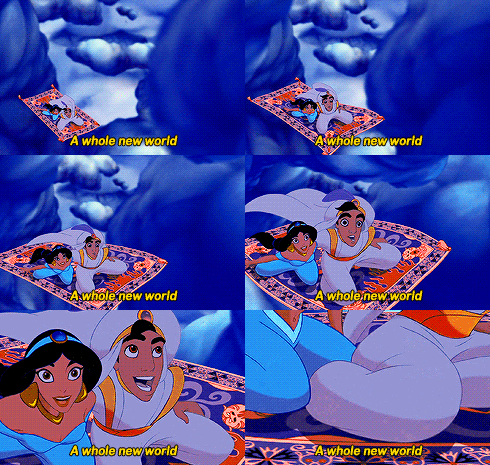
In this blog, I would like to share with you some of my personal experiences creating and adding to my identities online since I first discovered social media platforms online. I have been an active member of the Facebook community since 2008. That means I have been on Facebook since I was an 11-year-old. Facebook was definitely a big step for me and for my immediate circle of friends. I remember very vividly that I did not want to move from Myspace to this new platform. I suppose in some ways it was like moving from primary school to middle school – a whole new world of the unknown and in hindsight new possibilities.
Facebook in the late 2000s appeared to be very much what Twitter is now, at least from my profiles point of view. The people I connected with were mostly friends from form my peer group and we really didn’t care much about what we posted. Literally posting whatever was on our minds, whenever we wanted.
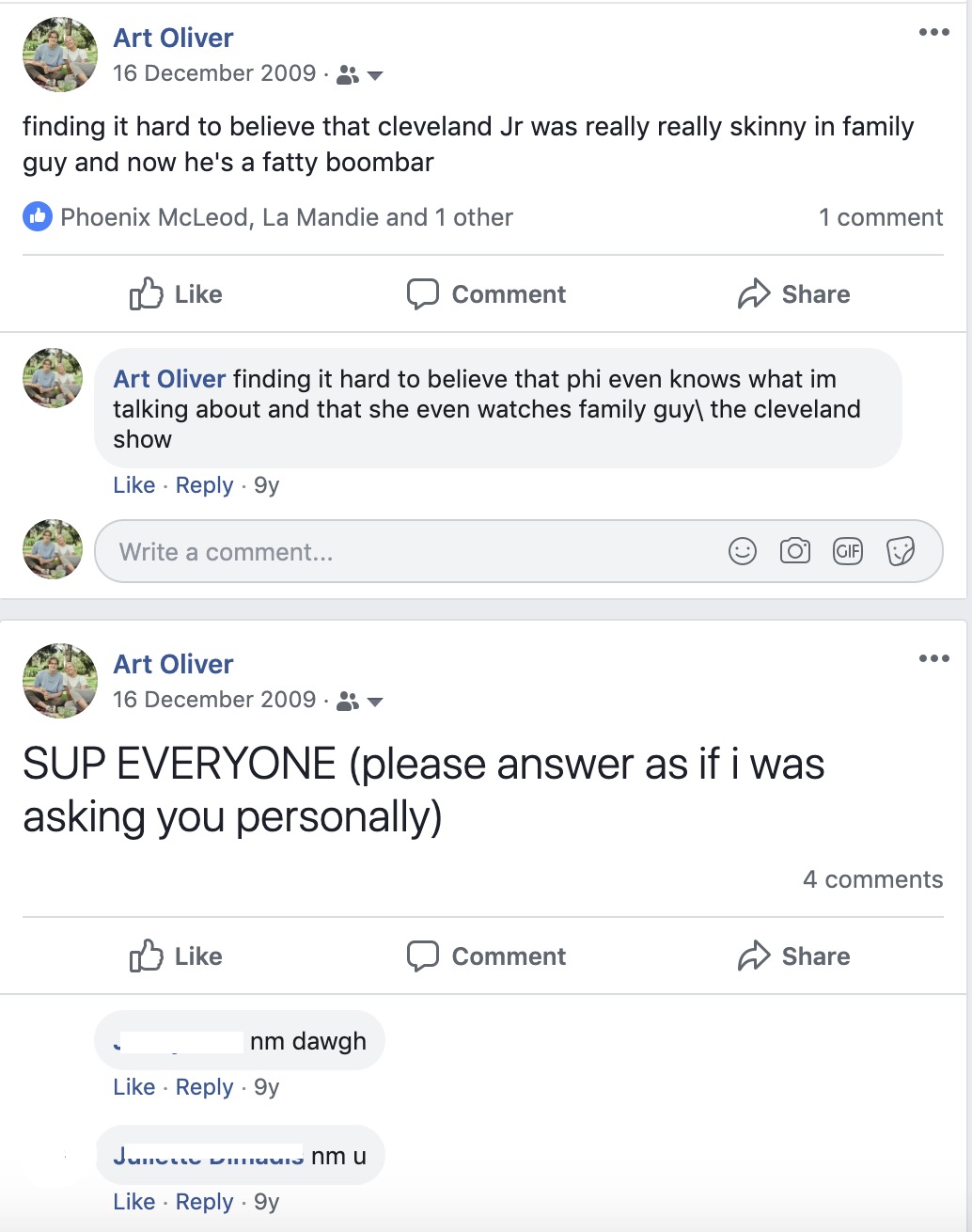
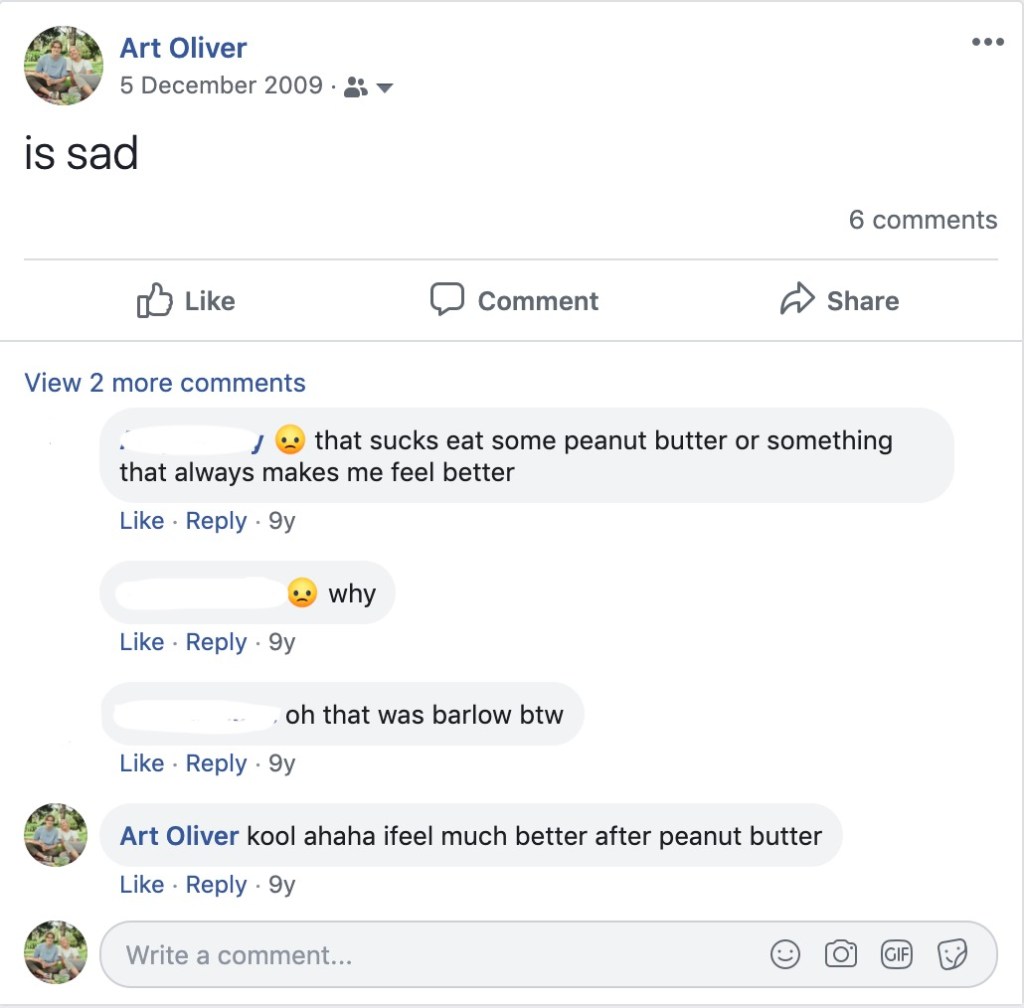
Looking back on these posts, I find myself cringing at how childish I was projecting my image out into the virtual world. And as I matured, I became less vocal with my posts filtering out the childish expressive loud-mouthed side of me. Thomas (2007, p.7) explores the idea that “it’s me, but minus the things I don’t like about me.” Thomas is suggesting that one’s social media accounts can represent the person you want everyone to believe you are: the persona without faults and flaws.
I feel the best examples of this for me would be my Twitter and Instagram accounts. Two completely different representations of my online identity. I signed up to Twitter for university use in 2017 and since then I have had multiple classes that have required me to use it in order to stay connected with the unit and fellow students.
I would best describe my Twitter presence as tame, professional and currently ineffective when trying to create conversation… at the moment it’s a work in progress!
On reflecting on my use of effective tweets, I feel personally at the moment I am still struggling to understand Twitter and my place in it all. I have not as yet discovered my true voice on twitter. My posts vary from highly researched tweets to very bland tweets and include tweets where I am expressing how I feel at that moment at the time of tweeting.
I guess that is kind of is how Twitter is meant to be used, but it just doesn’t feel right to me!
My Instagram, however, provides me with a feeling of wholesomeness and happiness. Originally it was an Instagram focused on getting the most likes and validation from those I am not immediately connected with.
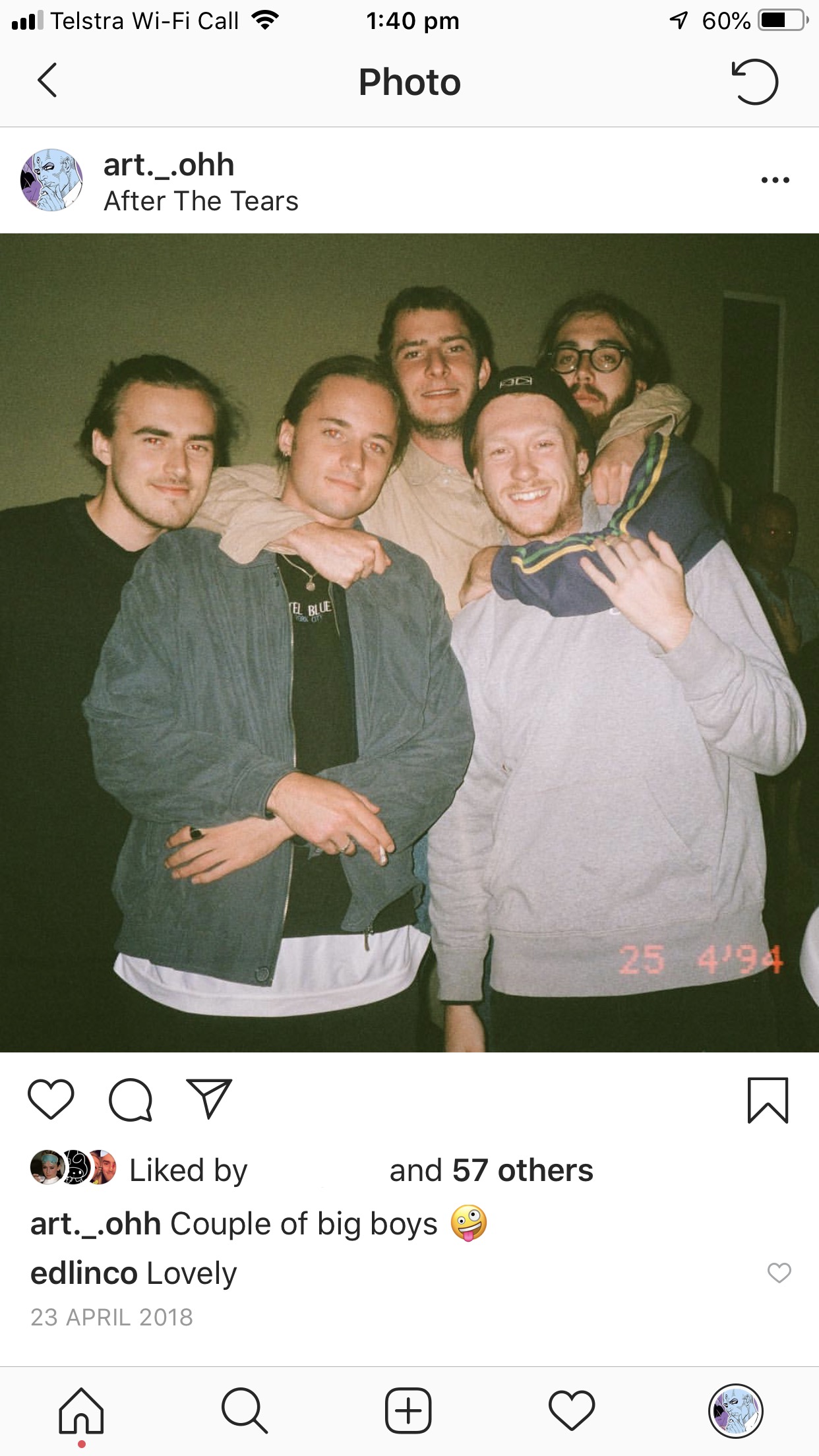
Three years ago, I acquired an analog camera and have focused on capturing special moments with close friends. The focus on popularity and likes has slowly begun to fade. My Instagram page is still very much a ‘highlight reel’ of my life, although I don’t believe I 100% reflect Chalkley’s (2015, p136) opinion on “Ideal self” in relation to my Instagram. I don’t necessarily believe this is the “perfect form of me” (Chalkley 2015, p136) that I want to show the world. I see it as more of a place in which I can share my happiest moments with family and friends.
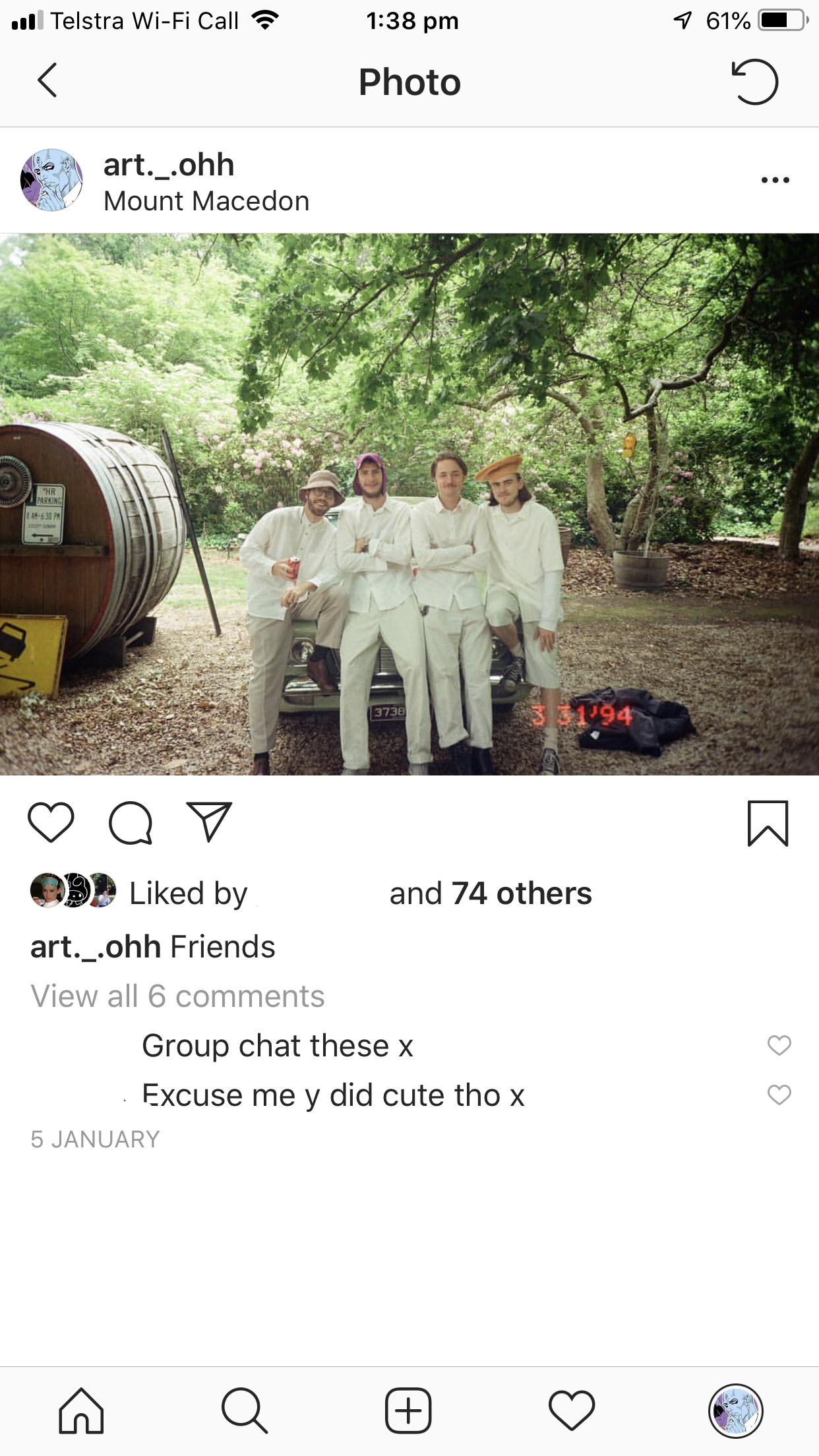
My Instagram is a private account, where I share and celebrate good times and treasured moments with my friends through my own photographic imagery. My Facebook is a great example of how I have evolved and developed as an online user, starting from such a young age all the way through to starting again from scratch on Twitter. The identity I have portrayed through social media is “not concrete or static, but fluid, multiple and constantly changing” (Chalkley 2015, p 68)
REFERENCING:
Chalkley, T 2015 ‘Non-verbal Communication’ in Communication, Digital Media and Everyday Life Second Edition, Oxford University Press, South Melbourne.
Chalkley, T 2015 ‘Online Dating’ in Communication, Digital Media and Everyday Life Second Edition, Oxford University Press, South Melbourne.
Thomas, A., 2007. Youth online: Identity and literacy in the digital age (Vol. 19). Peter Lang.
 Art's Blog
I am actually delighted to read this weblog posts which consists of tons of valuable data, thanks for providing
such statistics.
LikeLike